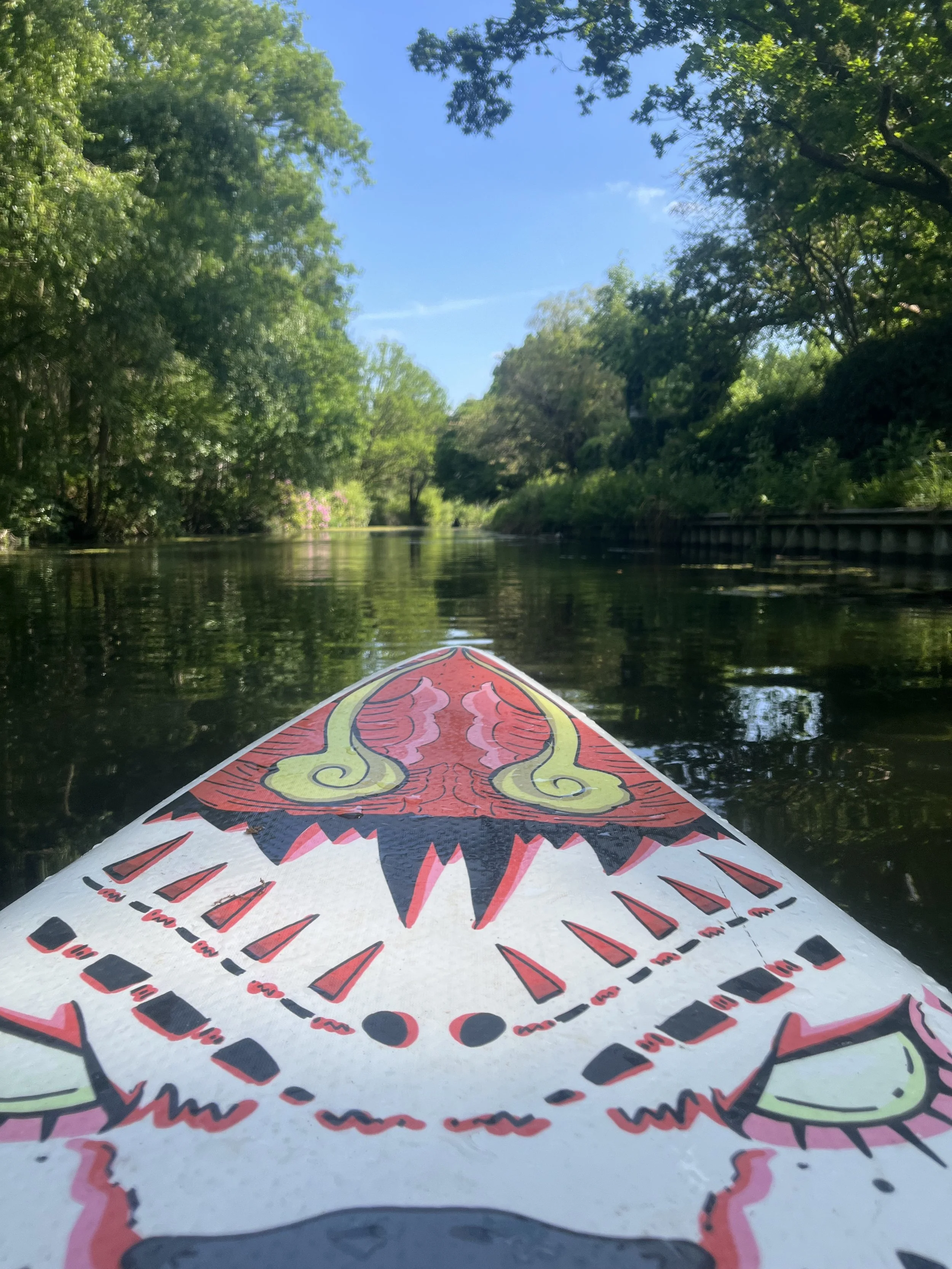
Standup Paddle Boarding - top tips.
The sun is starting to shine a bit more now we head towards spring and summer so you may be thinking of getting the paddle board back out if you have one or you may be looking to start. Either way, here are a few tips for when you get out on the water.
Read to the end to find out where we like to paddle here in and around Hampshire.
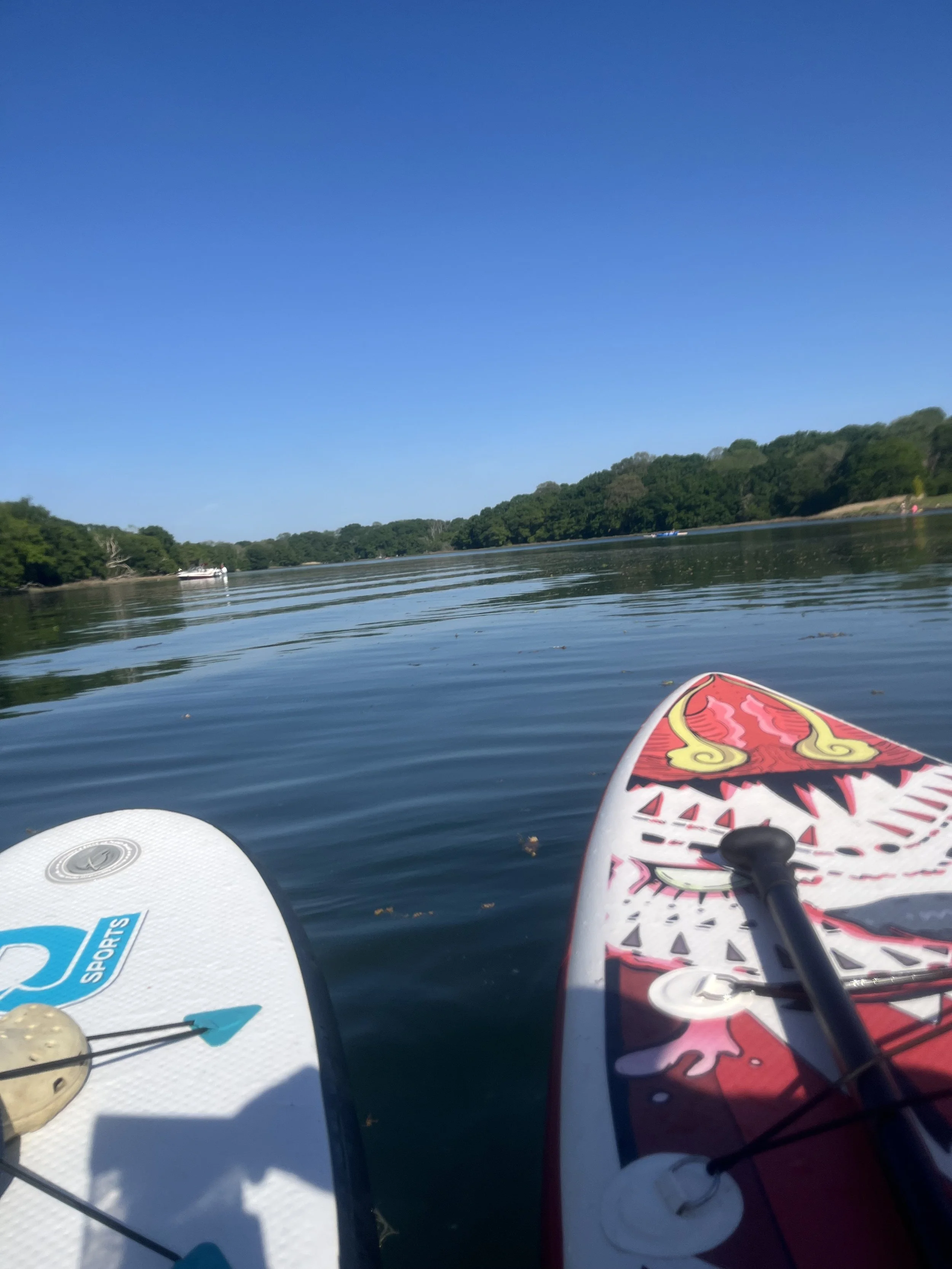
Paddle boarding is a brilliant way to have and adventure. It doesn’t take a huge degree of fitness to start (if you exclude pumping up the board, IYKYK) and with more and more places hiring them out, the cost to start isn’t too high. We’ve seen hire companies costing about £10-15 per hour so very reasonable. A new board can be anything from £150+ depending on how. much you want to pay.
My board for example cost £190 and this year will be its 5th year floating around so I’ve definitely got my money’s worth.
Some hire companies offer an introductory session where they will teach you the basics but more will just hire out the board and a life jacket and send you on your way. If this is the case, read on for some useful tips to get you going.
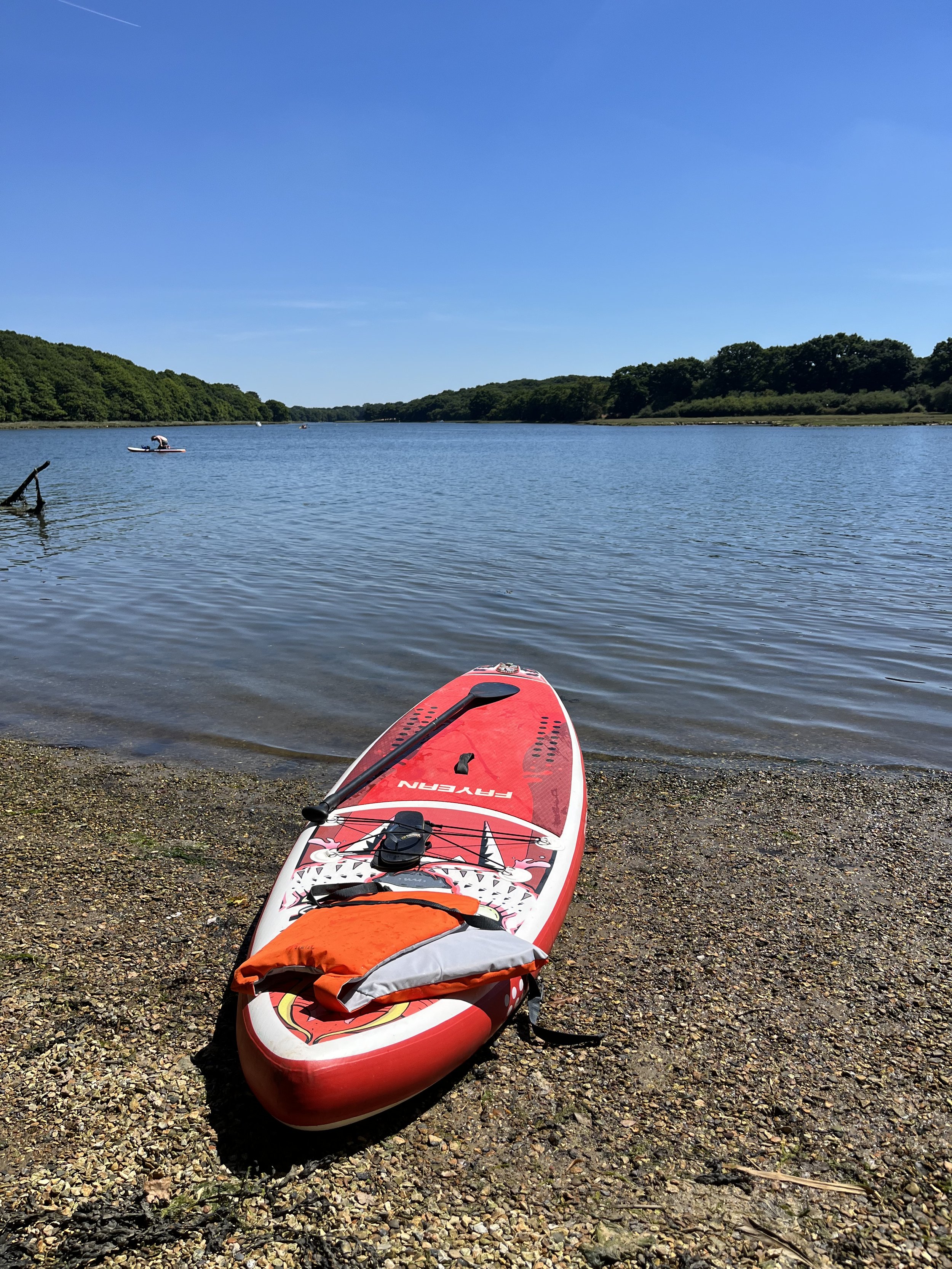
Here are five tips to keep the vibes high and the wobbles low:
1. Check the Wind (The Invisible Enemy)
Before you even unload the boards, check the wind forecast. Beginners often look for waves, but wind is the real deal-breaker. A light breeze can turn a paddleboard into a sail, making it incredibly hard to get back to where you started.
The Rule of Thumb: If it’s over 10 mph (about 16 km/h) and blowing away from the shore, save the session for another day.
2. Eyes on the Horizon
It’s tempting to stare at your feet to make sure they haven't moved, but looking down is a one-way ticket to a "refreshing" swim.
The Fix: Keep your head up and look at the horizon. Your brain uses the stationary horizon to help your inner ear maintain balance. If you look at the moving water at your feet, you're much more likely to tip.
3. Don't Forget the "Leash"
In the SUP community, failing to wear your leash is a major faux pas. If you fall off, your board (which is basically a giant floatation device) can zip away from you surprisingly fast, especially in a current.
Safety First: Always use a leash. It keeps your "lifeboat" attached to you at all times.
4. Paddle with Your Core, Not Your Arms
If your arms are burning after ten minutes, you're doing it wrong. Your arms are just the "hinges" connecting you to the paddle.
The Technique: Reach forward, plant the blade deep in the water, and use your core and back muscles to pull the board past the paddle. Think of it like a "crunch" movement while standing.
5. Choose the Right Launch Spot
The Ideal Spot: Look for flat, calm water with a "smooth gravel surface" or sandy bottom to protect the boards. Avoiding busy boat channels or choppy areas will make the "Get Started" phase of the adventure much more enjoyable.
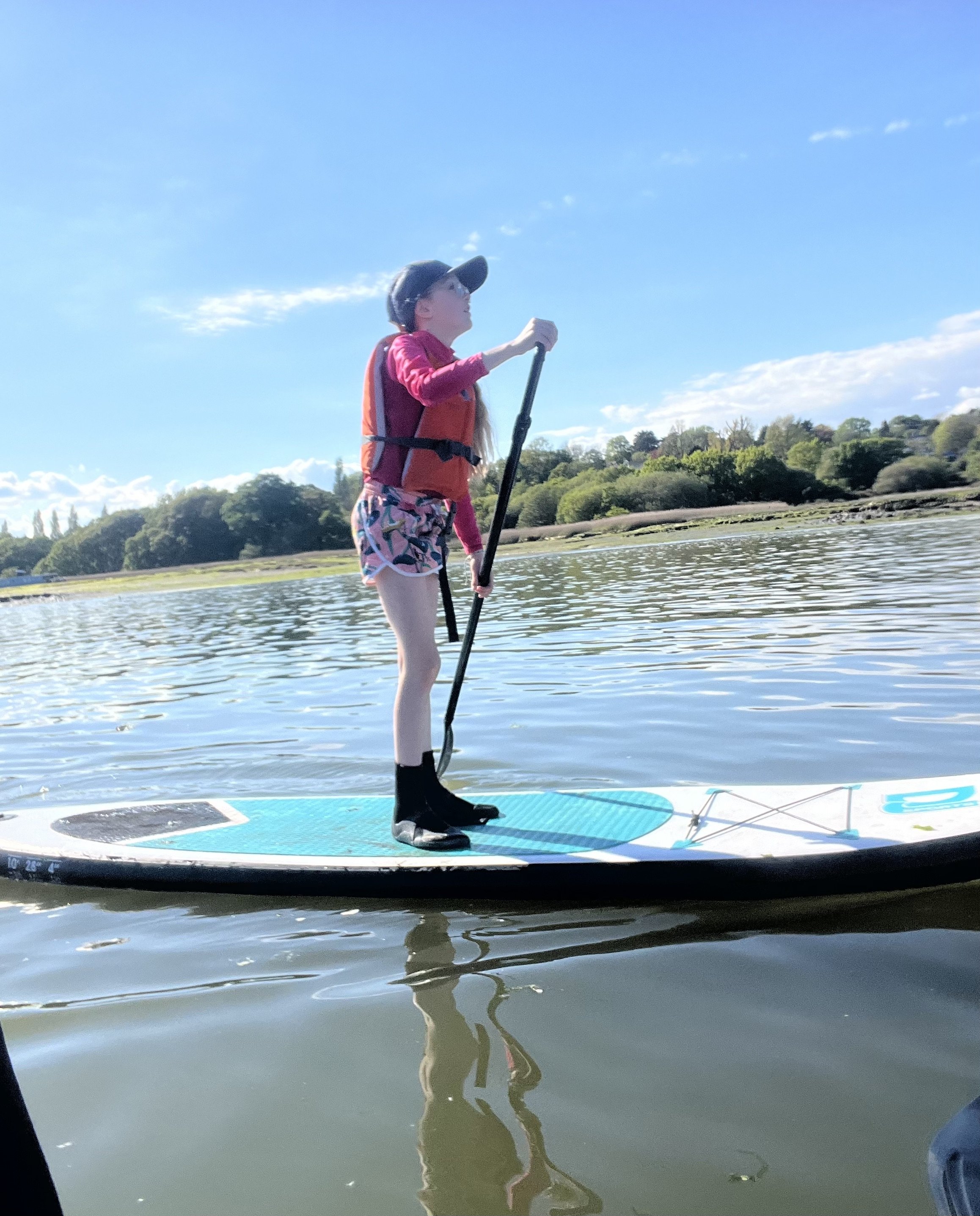
If thats got you excited to get out on the water, here are a few suggestions to start.
Basingstoke Canal - Canals are perfect for starting, no tide or waves and usually sheltered from the wide. You do have to pay to launch from the Basingstoke canal centre (£6 per person).
River Hamble - Parking at the River Hamble country park, it’s a short walk to the pontoon where you can launch. This is tidal so check before you go.
Southsea - As mentioned above, take extra care when on the sea, I tend to avoid the sea if there’s an offshore wind. If the conditions are good then this is a great place to paddle as you park meters from the water and plenty of ice cream options for after!
Avon & Kennet Canal - Like with the Basingstoke Canal, its perfect for beginners and no launch fee.
Beaulieu River - one of the most picturesque rivers in the country so even if you fall in, you'll do it in beautiful surroundings.
Finally, if you are new or if you find standing up tricky, there is no shame in kneeling or sitting. When I go out, I will often change between sitting, kneeling and standing, just do what’s best for your ability and most importantly, have fun!
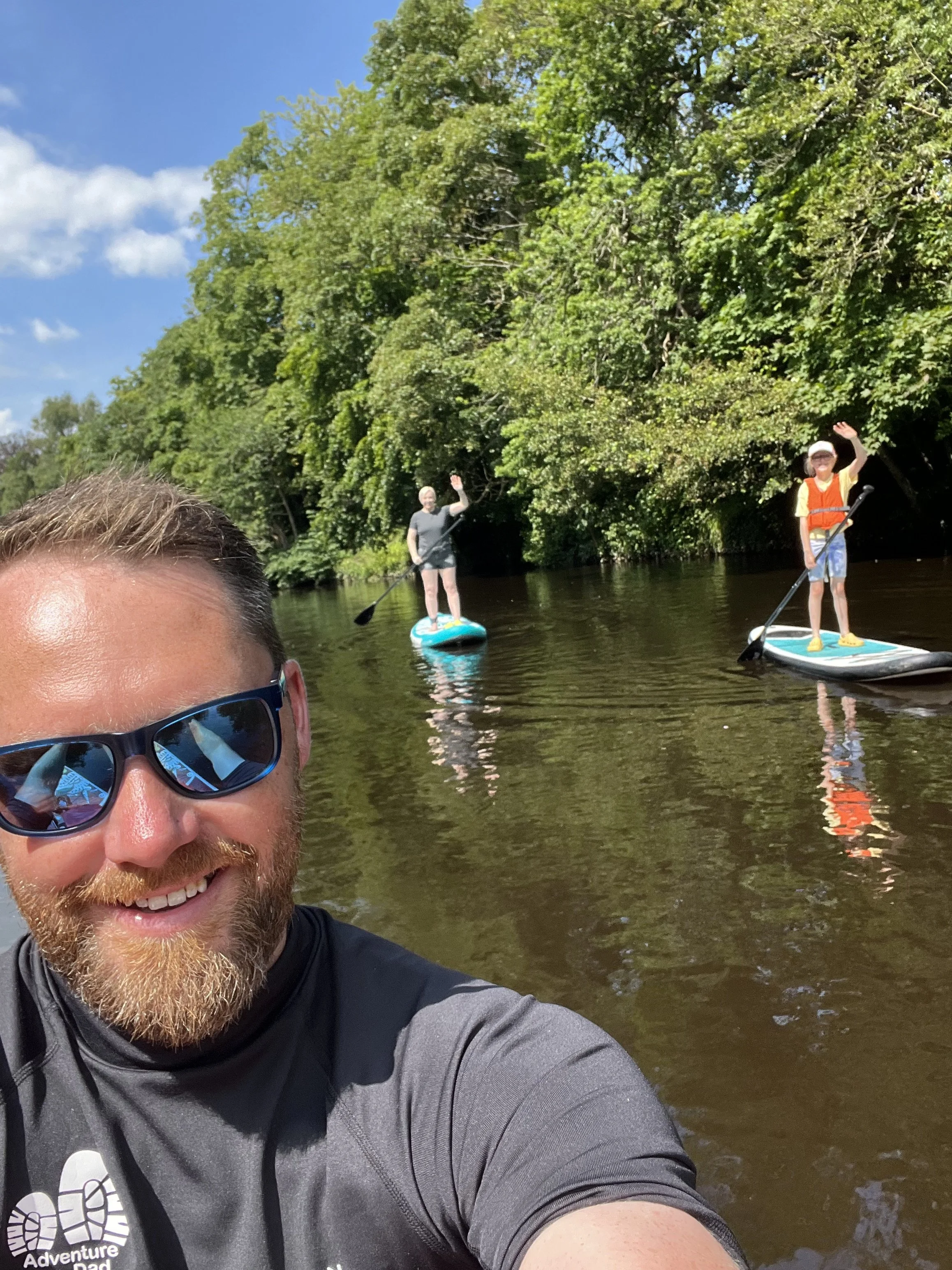
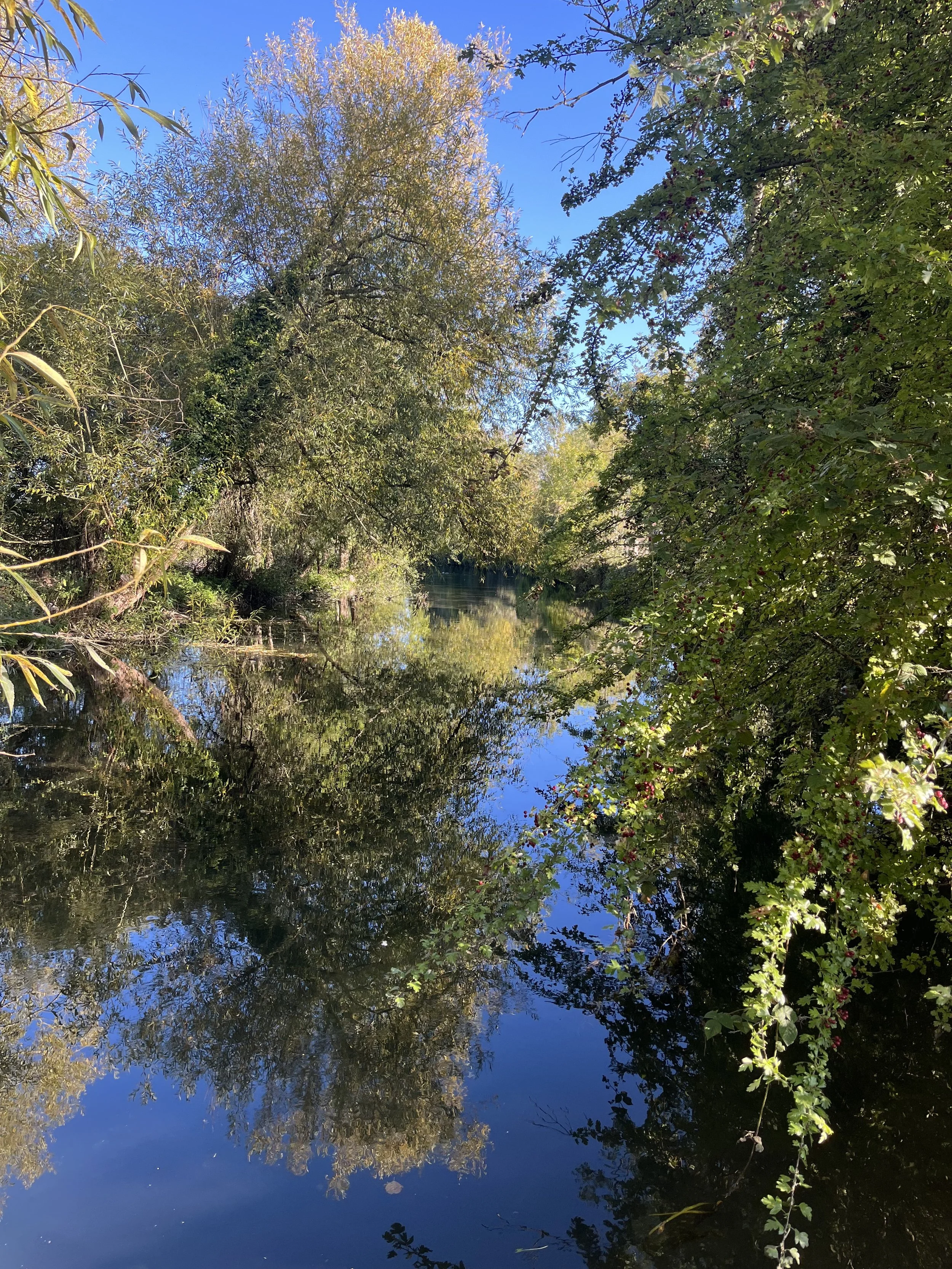
Adventures in Hampshire
If you have a quick look on social media for posts about adventure, you will inevitably see posts from around the world showing crystal clear seas, snow capped mountains or tropical rainforests. You don’t normally see Hampshire.
Let me tell you why Hampshire is and under appreciated county when it comes to adventure.
Let’s start off with the big guns. We have two, yes TWO, National Parks in Hampshire!
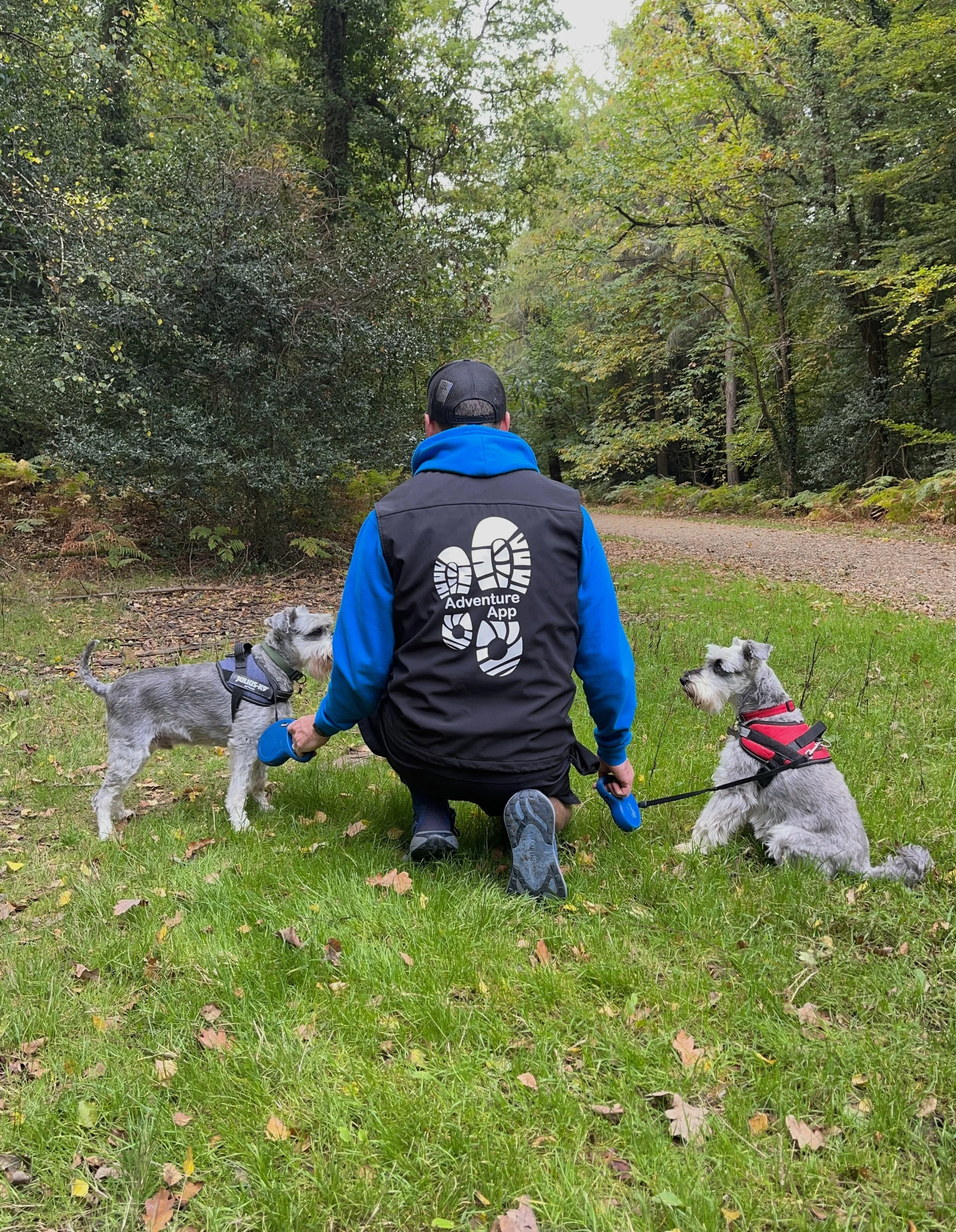
Enjoying a dog walk in the New Forest
Firstly, the gem in Hampshire adventures - The New Forest.
The New Forest has something for everyone. Hundreds of miles of accessible paths for walking or bike riding, views to take your breath away and amazing nature around every corner.
Our top New Forest adventure include:
Fritham
Blackwater Arboretum
Hurst Castle
Bucklers Hard
Lepe Beach
Then you have The South Downs. This vast area of Southern England is slightly more rugged than the New Forest but still plenty of adventures to be had.
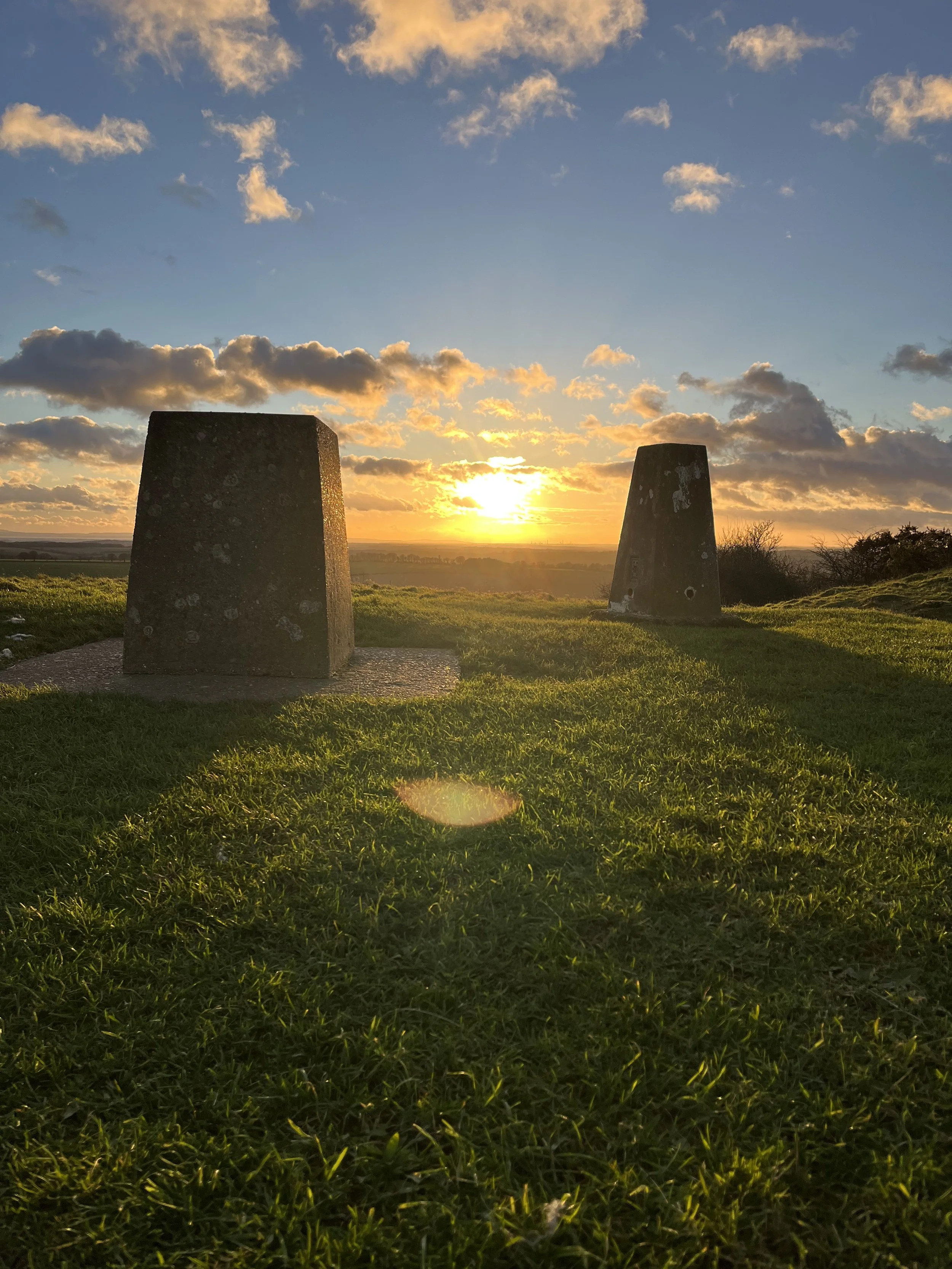
Sunset on Old Winchester Hill - South Downs
Our top South Downs adventures include:
Old Winchester Hill
Petersfield Pond
Queen Elizabeth Country Park
Butser Hill
Church in the Woods
Now, if these two National Parks don’t float your boat, let’s talk about some places that could “float your boat”. Being on the South Coast means there’s also a load of adventures to be had near the water.
Check out some of these waterside adventures:
Southsea Beach
Hill Head
Hayling Island
Mean Shores
Barton-on-Sea
So if this hasn’t converted you to thinking Hampshire is one of the best counties for adventures then let me add in a few more gems like the three chalk rivers - Test, Itchen & Meon. The crystal clear water from these rivers make for some spectacular rivers in the country. Did you know, Hampshire has 85% of the world’s chalk streams!
River Itchen near Winchester
Ok I know you are coming round so I’ll throw in some random adventure hotspots.
Queen Victoria Country Park - Spectacular country park on the banks of Southampton water steeped in war time history.
St Catherine's Hill - And iron aged fort overlooking Winchester
Mean Valley Trail - A disused railway line converted into a 12 mile walk and bike riding route
Danebury Iron Aged Fort - One of the best forts ever, stat!
Beacon Hill - Overlooking Highclere Castle, home of Downton Abbey
Basingstoke Canal - Great to walk along the banks but even better to paddle board
Right, thats it, I can’t list anymore as the need to get out and have and adventure is too much.
I hope you enjoyed this account of why Hampshire is amazing for adventures. What’s your favourite Hampshire adventure?
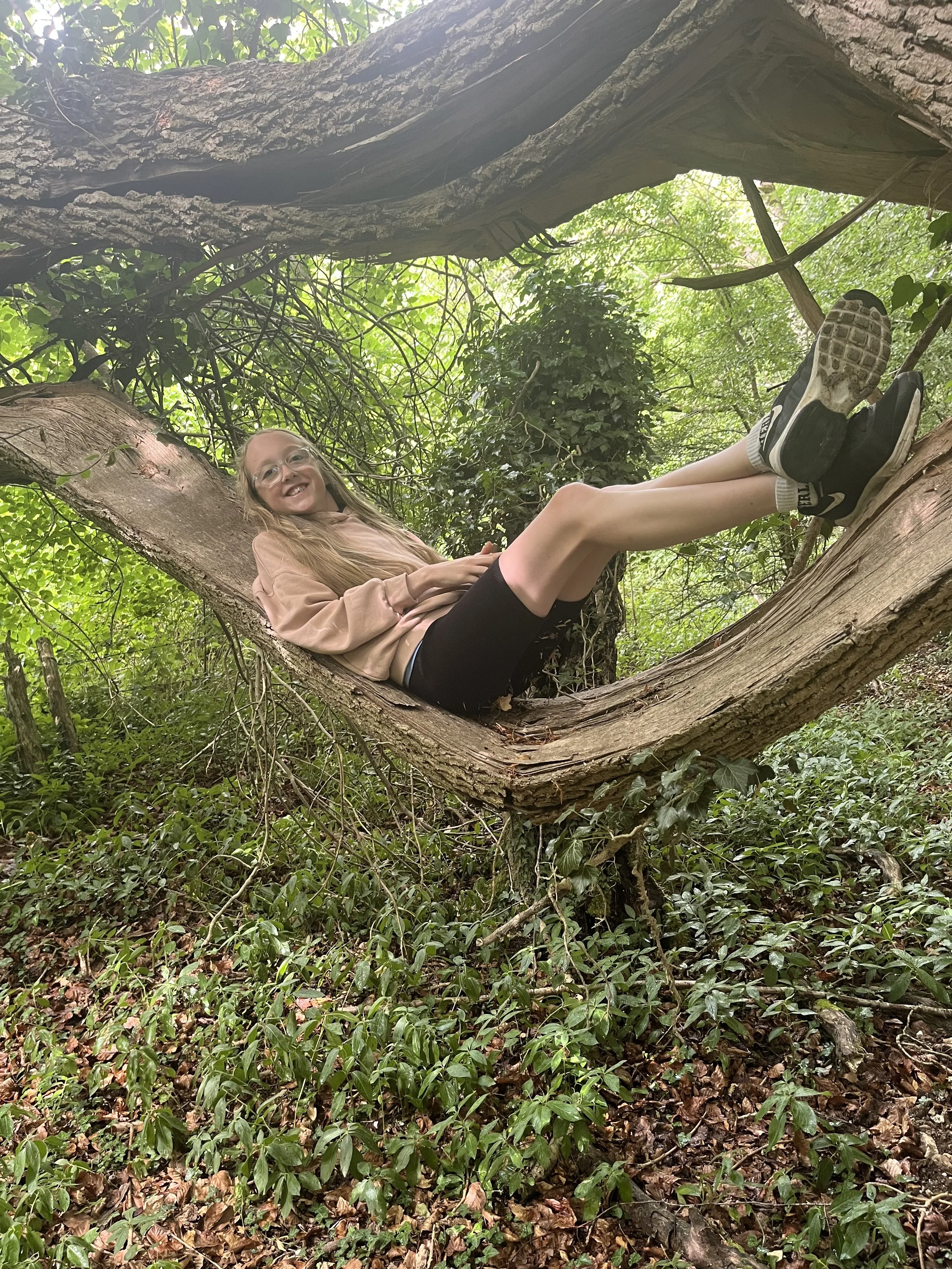
Can you climb a tree?
Can you still climb a tree?
Sounds like a simple answer to a simple question but recently I heard a podcast where the guest said, do you remember how to climb a tree and it got me thinking.
Initially I thought, yes or course!
But then the brain got hooked on it. A few weeks back, we were out on a bike ride and came across a fallen tree so we stopped to investigate. At first, my daughter wasn’t sure about climbing on it so, as a self proclaimed Adventure Dad, I thought this is my time to inspire (even if it is only a small step).
Confidently, I climbed on and started to walk across it, about half way, my adult mind took over. If you fall now, you’ll have to be off work, how will you get you both back home? You’ll look a right plonker to that other family walking past!
A few steps further down the tree, I snapped out of it and the child in me took over. When I was a child, I’d never dream of the consequences or risk of my actions. This ultimately lead me to falling head first into a thorn bush and numerous crashes on my bike of which 95% had no lasting impact on my life
Since that day on the tree, it got me thinking, why do we lose that naivety. Is it a side effect of parenthood and the need to protect our children from danger?
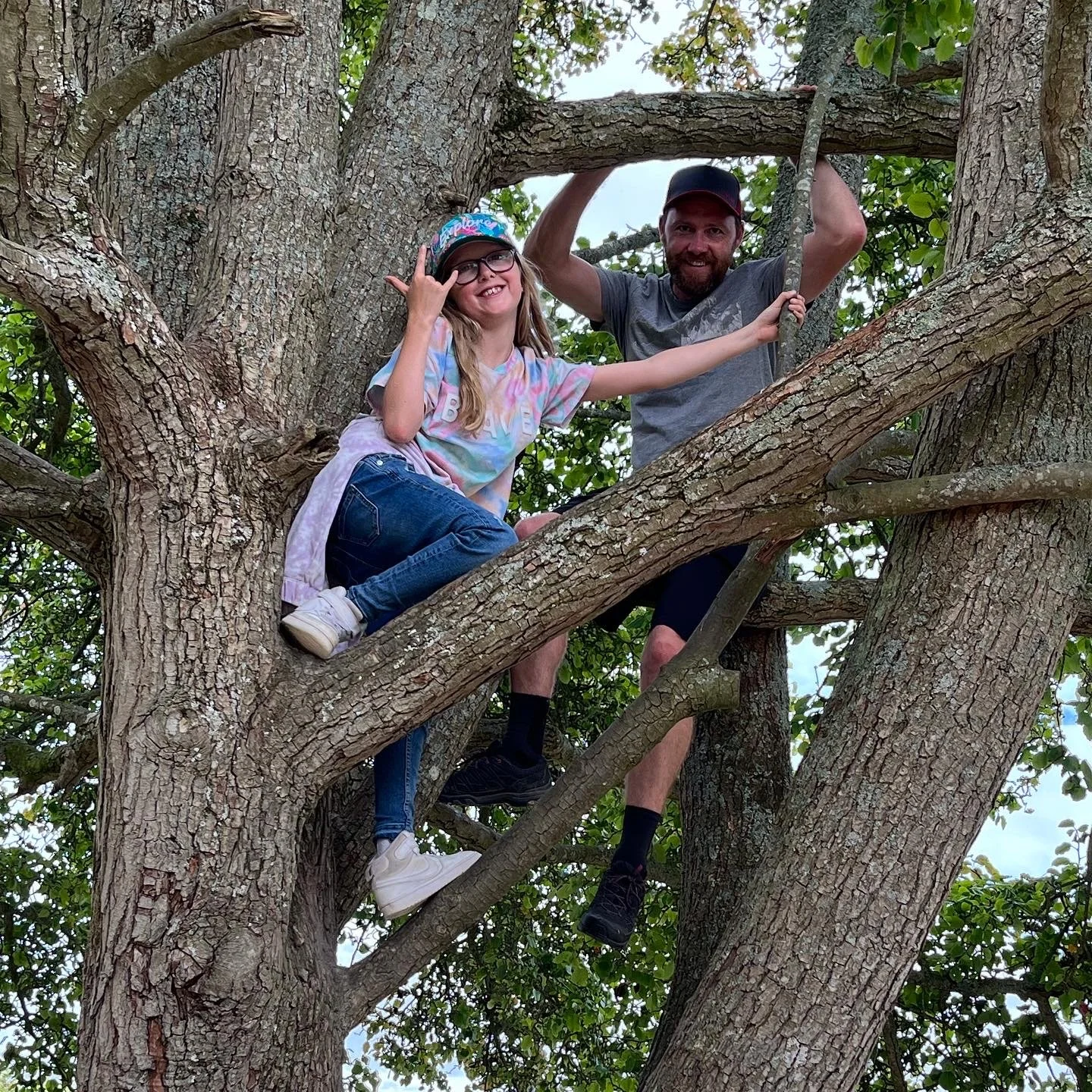
Mind games aside, physically I was having to work much harder than I remember to walk across this not so narrow fallen tree 5 feet of the ground. Now I’m no psychologist but I do have a understanding of how the body moves and the phrase “if you don’t use it, you lose it” fits perfectly to movement and motor skills.
Take computer games for example, in my younger days, there were not many who could beat me in a game of FIFA or Rugby on a PlayStation but recently, on picking up a controller to play a game with a friend, the movement of my fingers and thumbs was exactly the same speed I’d regularly mock adults when they challenged me in my youth!
Although the analogy is a little distant from climbing a tree, it’s the same principle. How many times a week does your balance get tested? How often do you need to land from a height so you don’t sustain injury to your knees or back?
So if your to day life revolves around walking on flat pavements, sitting at comfy desks or minding the gap as you get off the train, then your agility, balance and coordination will suffer. There’s a reason why these are knows as the ABC skills, they are your basic movement skills to protect you and enable you to survive.
So my plea to all budding Adventure Dads or Adventure Mums, is when you see your little ones getting excited about climbing a fallen tree, have a go yourself and don’t lose those fundamental skills of movement that the modern world is taking from us.
Trust me, you’ll look less of a plonker than if you do fall off!
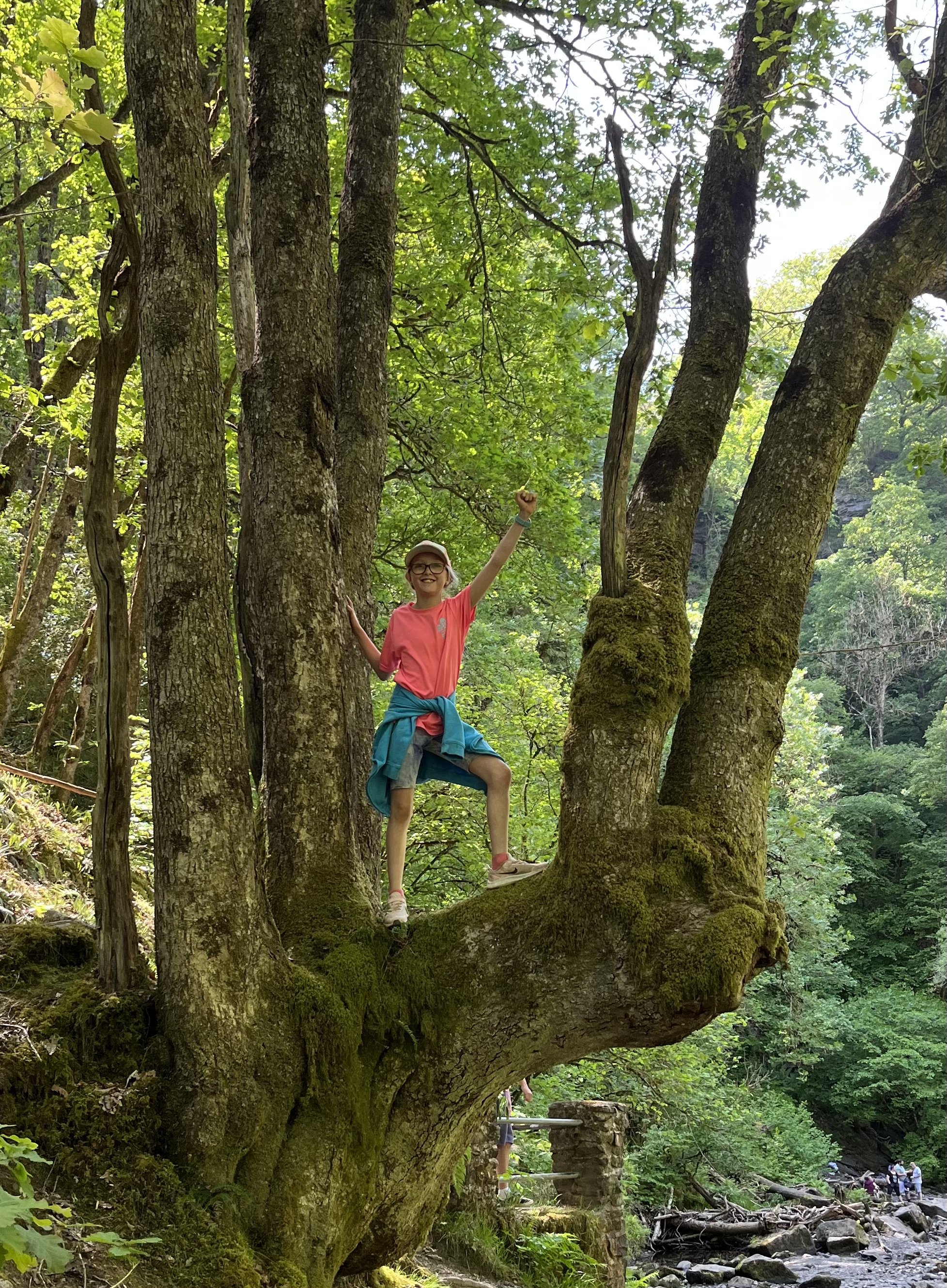
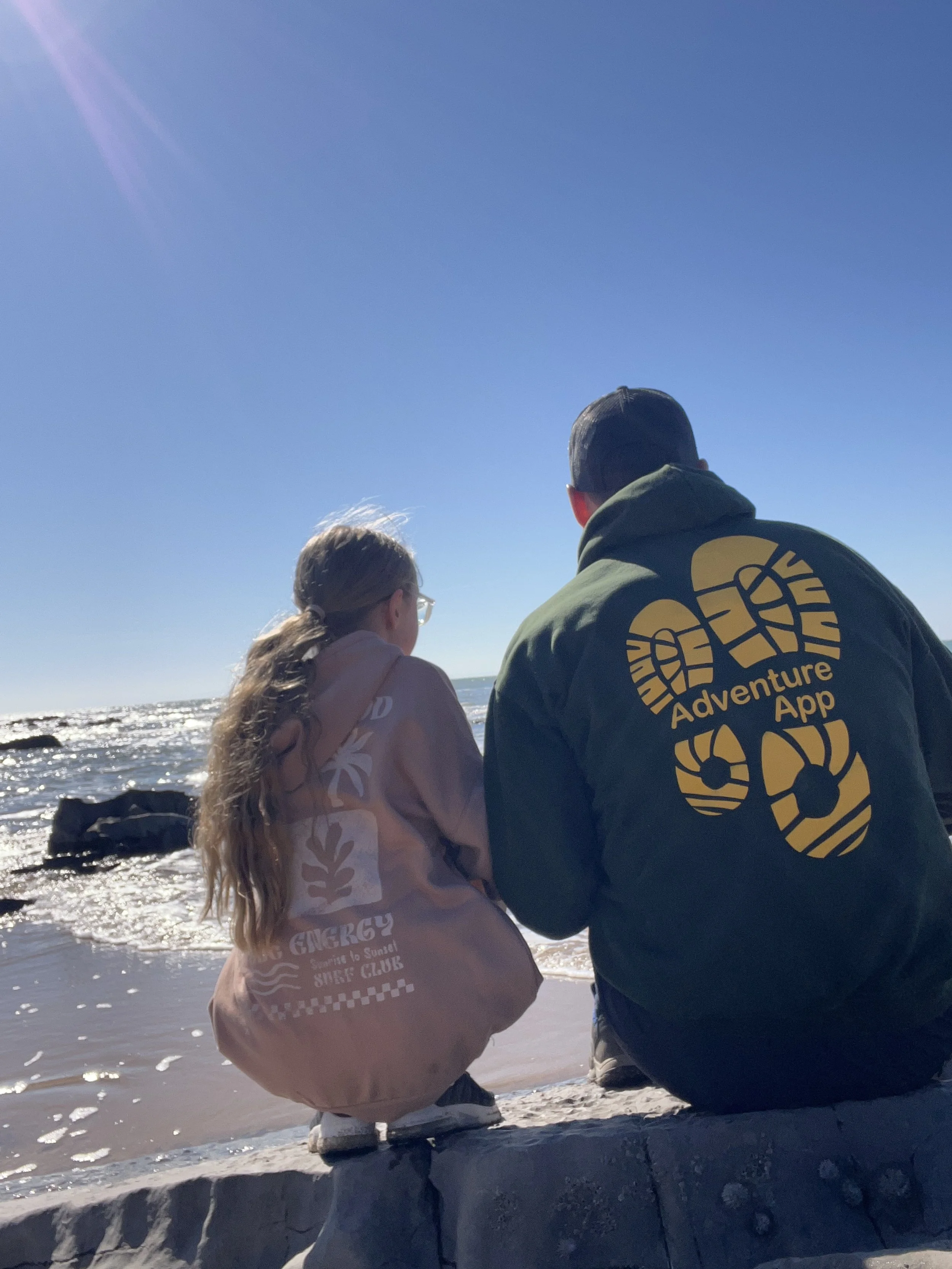
Where to Start
Deciding where to go can be a minefield. Some adventures will please some but often not all.
The key thing starting off is this, there is probably more on your doorstep than you realise.
Deciding where to go can be a minefield. Some adventures will please some but often not all.
The key thing starting off is this, there is probably more on your doorstep than you realise.
When you think of going for an adventure, your mind may start thinking about places like Durdle Door with its picturesque beach cliffs or Pen Y Fan with its Insta worthy summit picture opportunity but unless they are on your doorstep, a 3-hour car journey will overshadow any idyllic picture in your head.
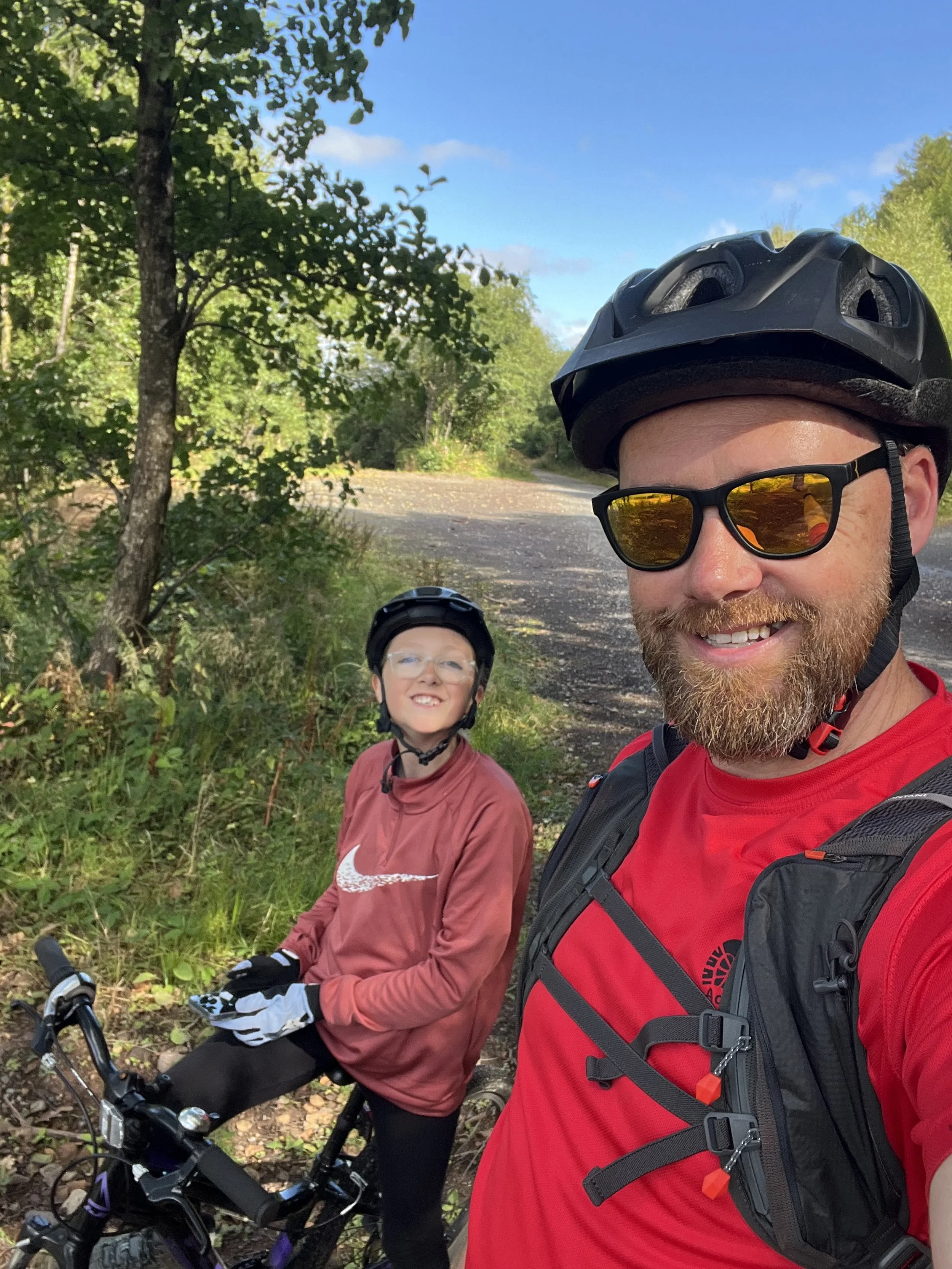
Whether you live in an urban or rural setting, there’s adventures to be had all around us. There is a high possibility that no matter where you live, you will be near either of the following, beach, coast, river, hills, parks, forests, woodlands. You may even be lucky to have a few of these!
The good news is that we have all the answers in the palm of our hands. If you are a pro or just starting out, there are lots of websites and even more people on social media who have been there, done that and posted about it online.
A good trail to follow is this:
· Google something like, Child friendly walks near me. Or Sandy beaches near me. Etc.
· Pick your adventure
· Work out how long it takes to get there (and most importantly back)
· Search the location on social media (Instagram is best for this)
· Ask around if anyone else has been there.
· Go and make memories
When you get back and you have loved it, share it. Most parents will follow other parents on social media and the best recommendations come from people who are like you and without realising it, you will soon be keeping a closer eye on those who share their family adventures and before you know it, you will be battling the other parent to find the next cool location!
TOP TIP
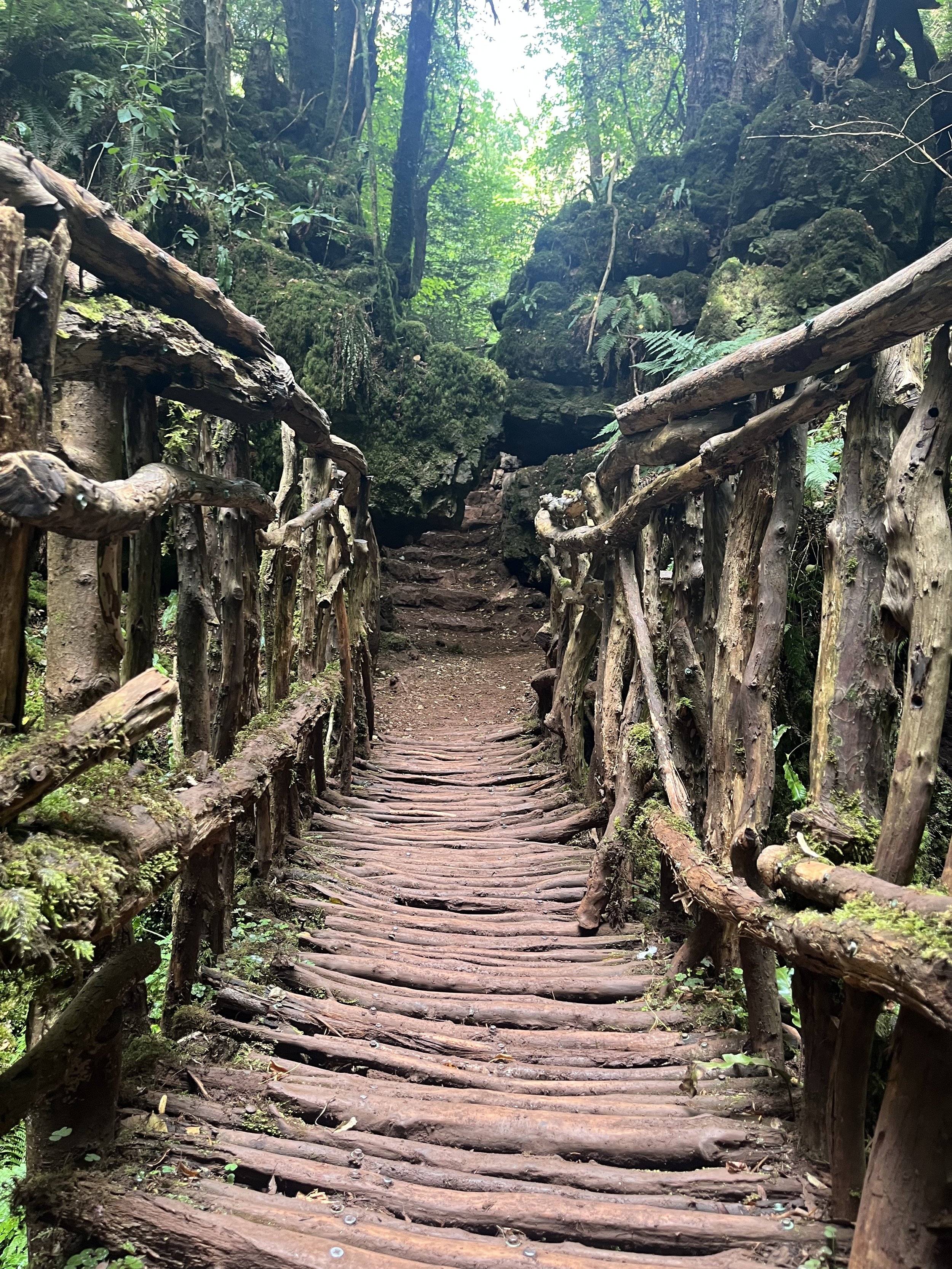
When you are next on your commute to work or on the school run, have a look for potential adventure opportunities. Is there a bridge that goes over a river? If it does, chances are, there’s a footpath that goes alongside it. Is there a park? If there is, there’s probably greenspace where games can be played or opportunities to talk about nature with your children.
If you want to start going further afield, they you need to do your research. How long is the adventure, are there interesting features to this place that will keep the kids interested, is it pushchair friendly? There are many questions you need answers to but the key to finding a good adventure is to know your kids limits. How long are they happy hikers? Do they get bored easily?
· Start local – you’ll be surprised what’s on your doorstep
· Do your research
· Look for interesting features to keep the kids entertained
· Know your limits and more importantly, your kids limits
DON’T DO
Don’t worry about finding new places every time. If you child has a favourite place to go, then visit it regularly. It’s an easy win. However, being a parent, you will know kids can quickly change their minds. So, work out what they liked so much about that place and find similarities in other places to keep their interest.
Summary
· Start local
· Know your limits
· Do your homework
· Have fun
· Share the knowledge
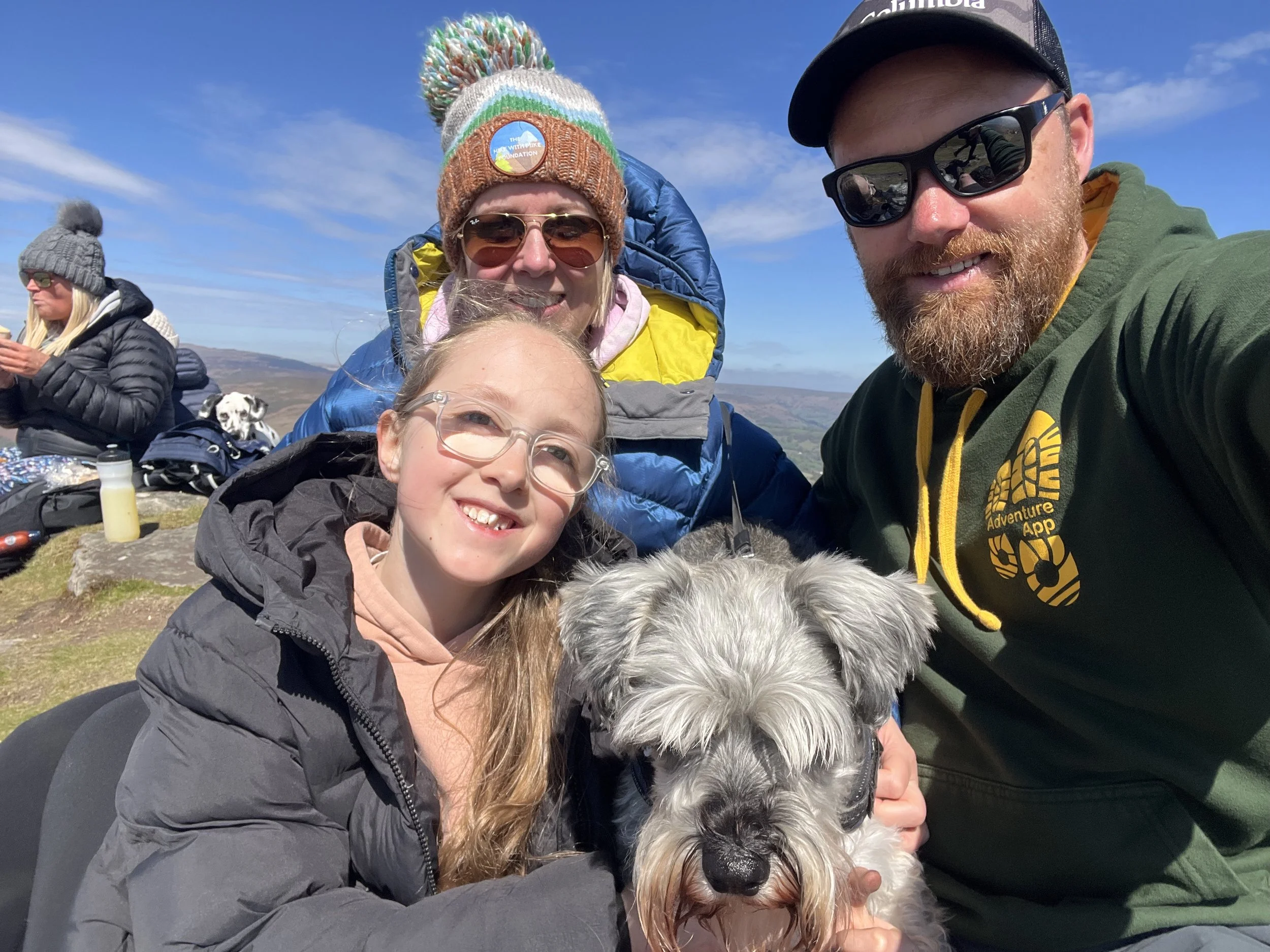
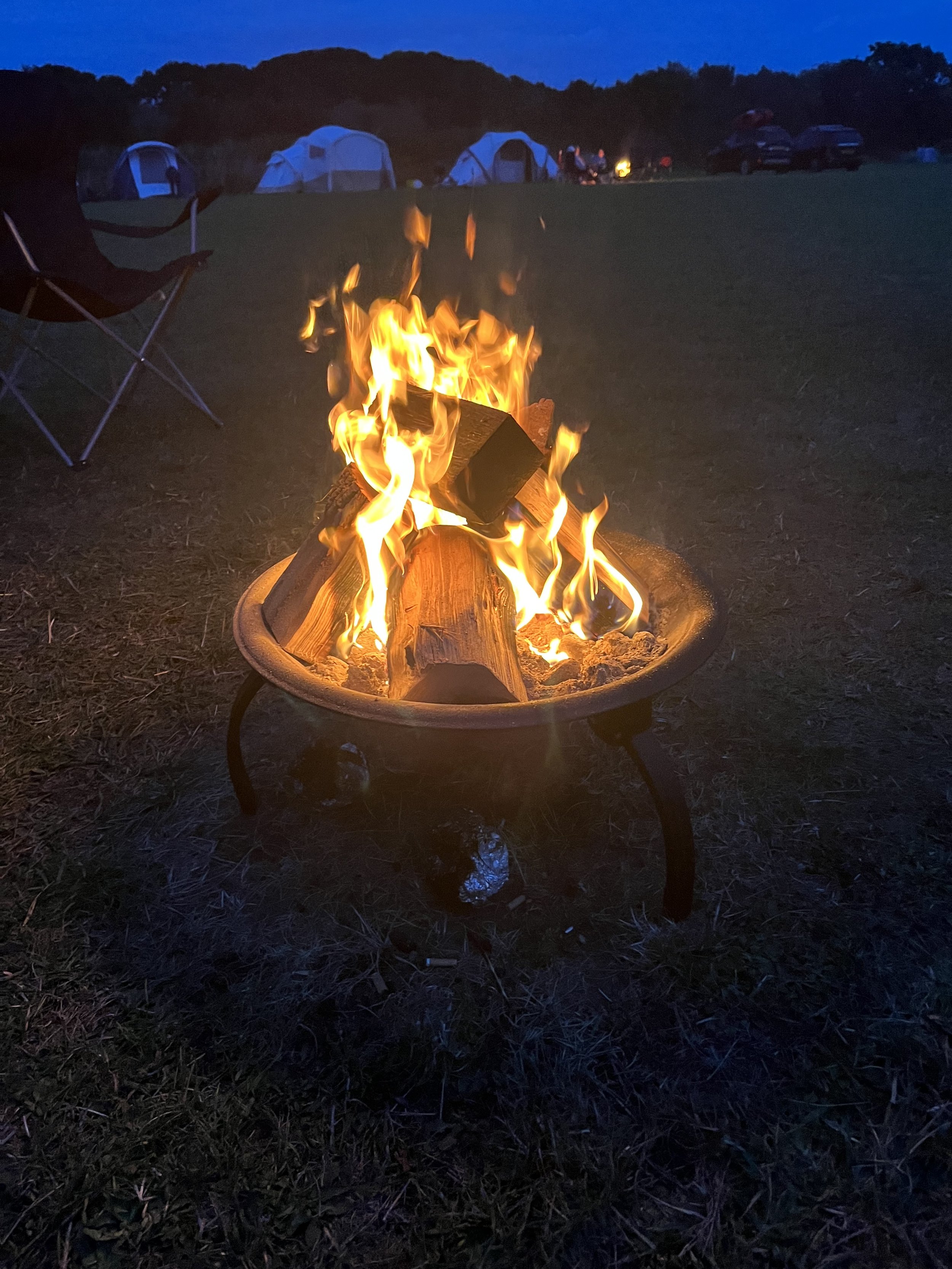
Camping tips – Getting a good nights sleep
My biggest advice I can give on camping with kids is this, forget about time!
My biggest advice I can give on camping with kids is this, forget about time!
If you are having a break from your day to day life, don’t get hung up on getting the kids to sleep at their usual bedtime, let them have fun, stay up late, burn as much energy as they can in the fresh air. Chances are, they will probably still wake up at their regular time but, unlike a school day, there’s no rush to get out the door, embrace the fact that you have nothing to do and no time limit to do it in.
Can’t beat a good camp fire with some marshmallows for toasting,
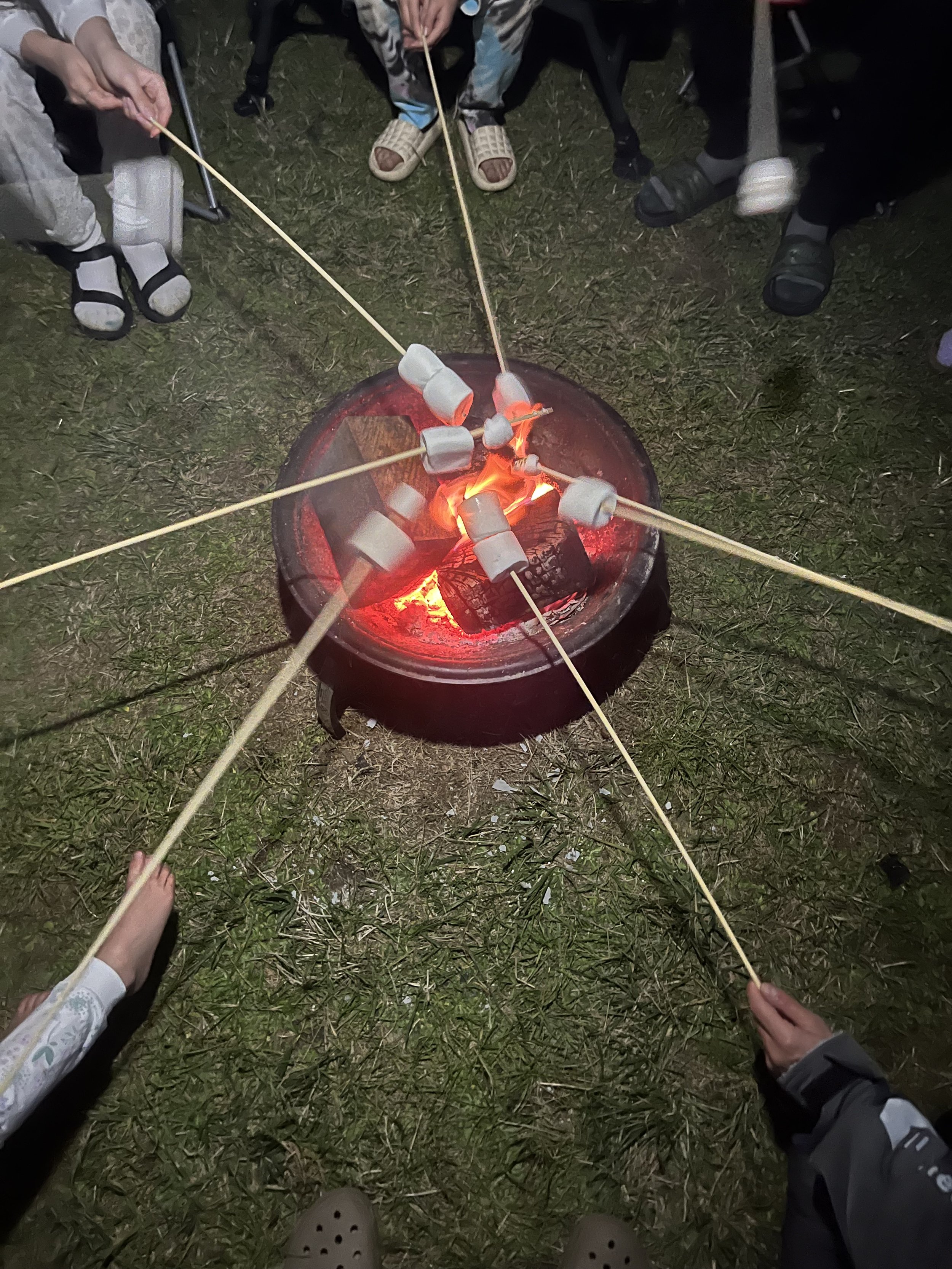
One of the hardest things to do as an adult is to switch off and go with the flow, our lives are filled with deadlines, appointments and “doing the right thing for the kids”. Camping in nature gives you that freedom to forget about time, your only priority is to eat, sleep and relax.
Everyones set up is different, do what works for you.
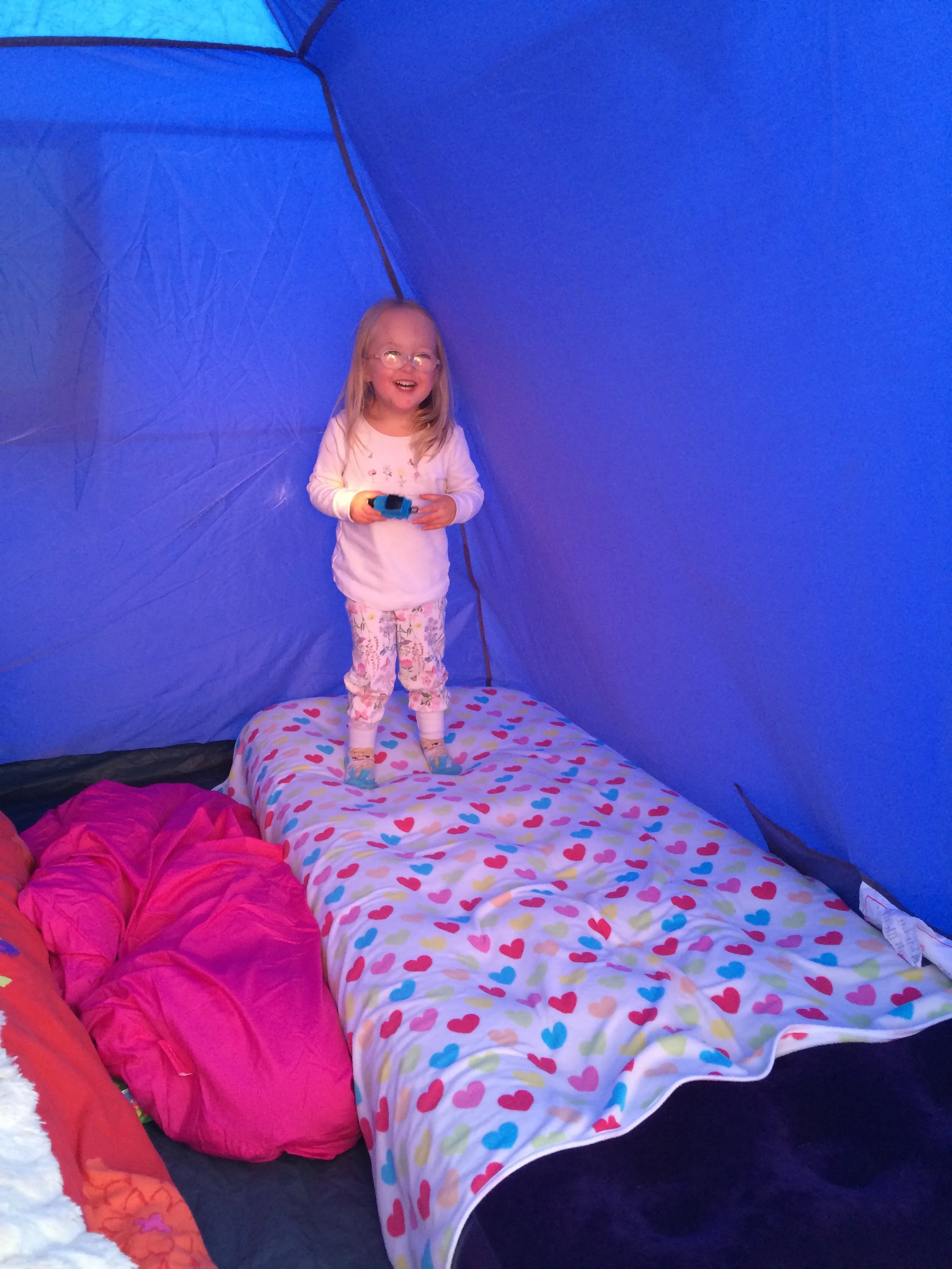
When the kids eventually get tired, the key to a good night sleep for them and us is comfort and warmth. Like tents, air mattresses have come a long way in the last decade. If you are like me, your early memories of sleeping on a air mattress will consist of it being lumpy to start and flat by the morning. Thankfully, this has changed, even the budget products retain the air and are designed to evenly distribute your weight allowing for a better sleep. Equally important is the material used these days are no where near as noisy when you inevitably roll over in the night!
Along with air mattresses, folding camp beds have developed into worthy alternatives. Previously they would be a construction nightmare with poles and canvas that never quiet go together as they should. Nowadays, they fold out effortlessly and given that they are off the ground, can offer better warmth.
Now, the next bit is probably going to be a bit controversial. For years I stuck to the sleeping bag and travel pillow (or even a folded up jumper) but I’ve moved to the comfort over practicality version of camping and it makes sense, why suffer? Sleep can make or break a camping trip. If the pillows from your house are comfy, take them, if the duvet is warm, take that too! Basically, if it will make you, your partner or your child a happy sleeper, then it’s worth taking.
No matter how much you go before you get in to bed, someone in your tent will, without doubt, need to pee in the night. You can fight the urge but if you do need to get out of your warm sleeping bag, then the next few lines could make that trip to the can more smoother.
Our luxury toilets at Everest ABC, Intermediate camp toilets were over a 20m drop!
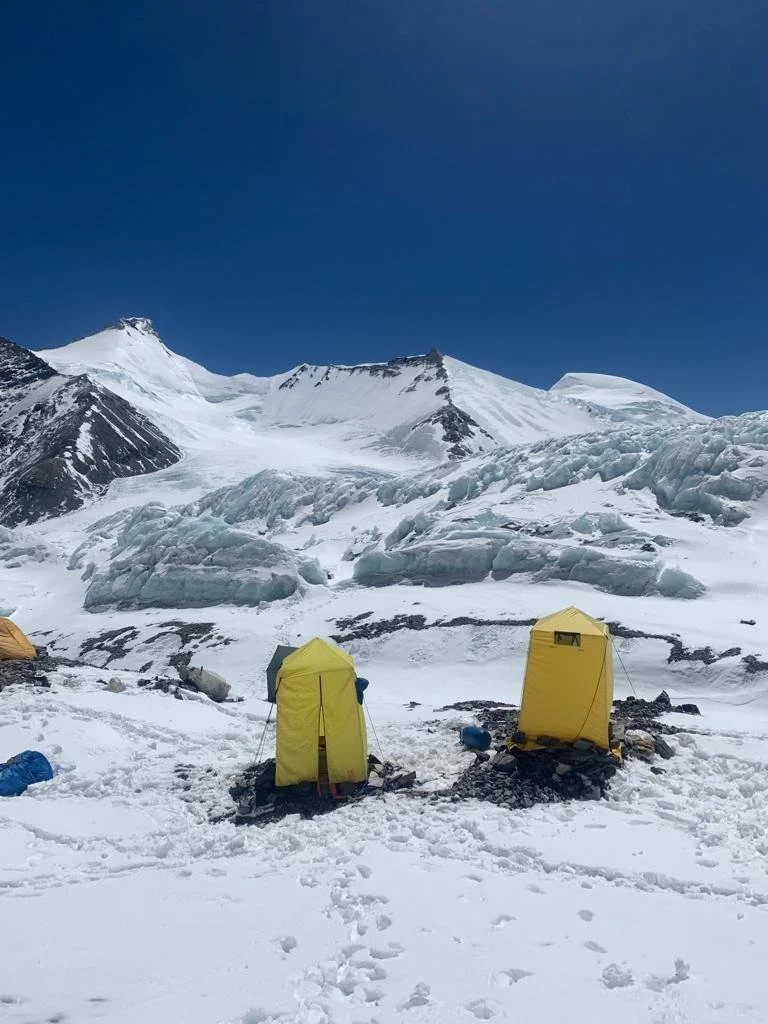
Everest Advanced Base Camp
Firstly, know where you will put your bits that you will need. Depending on what you are sleeping in will determine what you will need. If you are clothed sleeping then just a hoodie our a coat will do but if you are going all naturey then you don’t want to scare your fellow campers by dashing out with it all out, get some kit on.
When on expeditions in the high mountains, a pee bottle is a great idea as going outside the tent could mean going into extreme conditions so a quick unzipping of the sleeping bag and a quick pee into the bottle can be very convenient. However, being woken up by the sound of pee hitting a plastic bottle is not the best wake up call. Sharing a tent with one other on expedition is one thing but when sharing with the family, you may not everyone’s best friend in the morning!
Essentially, what I am trying to say is this, camping is a time to take a break from the norm. Accept before you go that it’s not your house, not a 5 star hotel, it’s different. There are no rules (except keeping the noise down after 10pm).
You make the rules for camping!