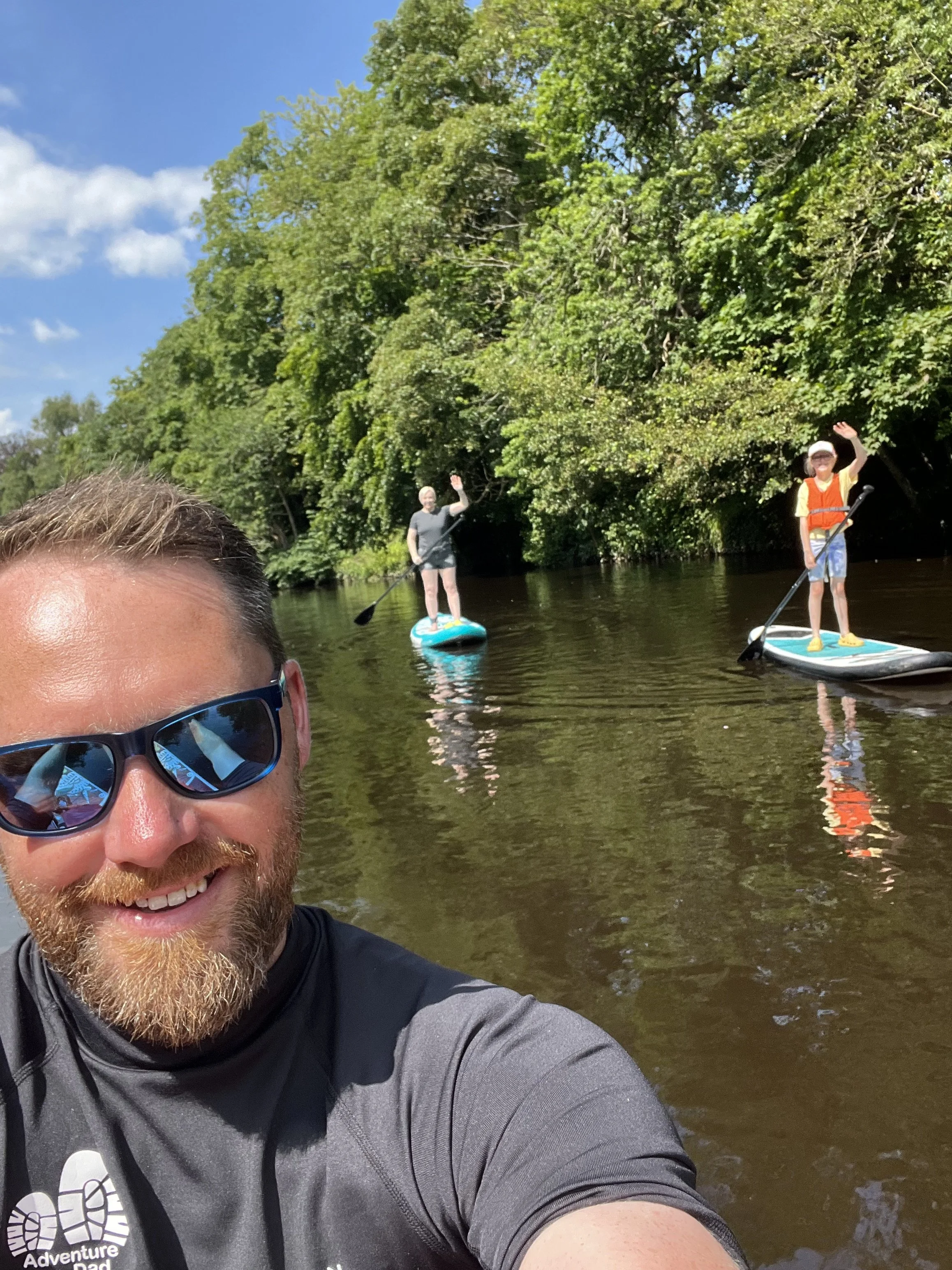
Standup Paddle Boarding - top tips.
The sun is starting to shine a bit more now we head towards spring and summer so you may be thinking of getting the paddle board back out if you have one or you may be looking to start. Either way, here are a few tips for when you get out on the water.
Read to the end to find out where we like to paddle here in and around Hampshire.
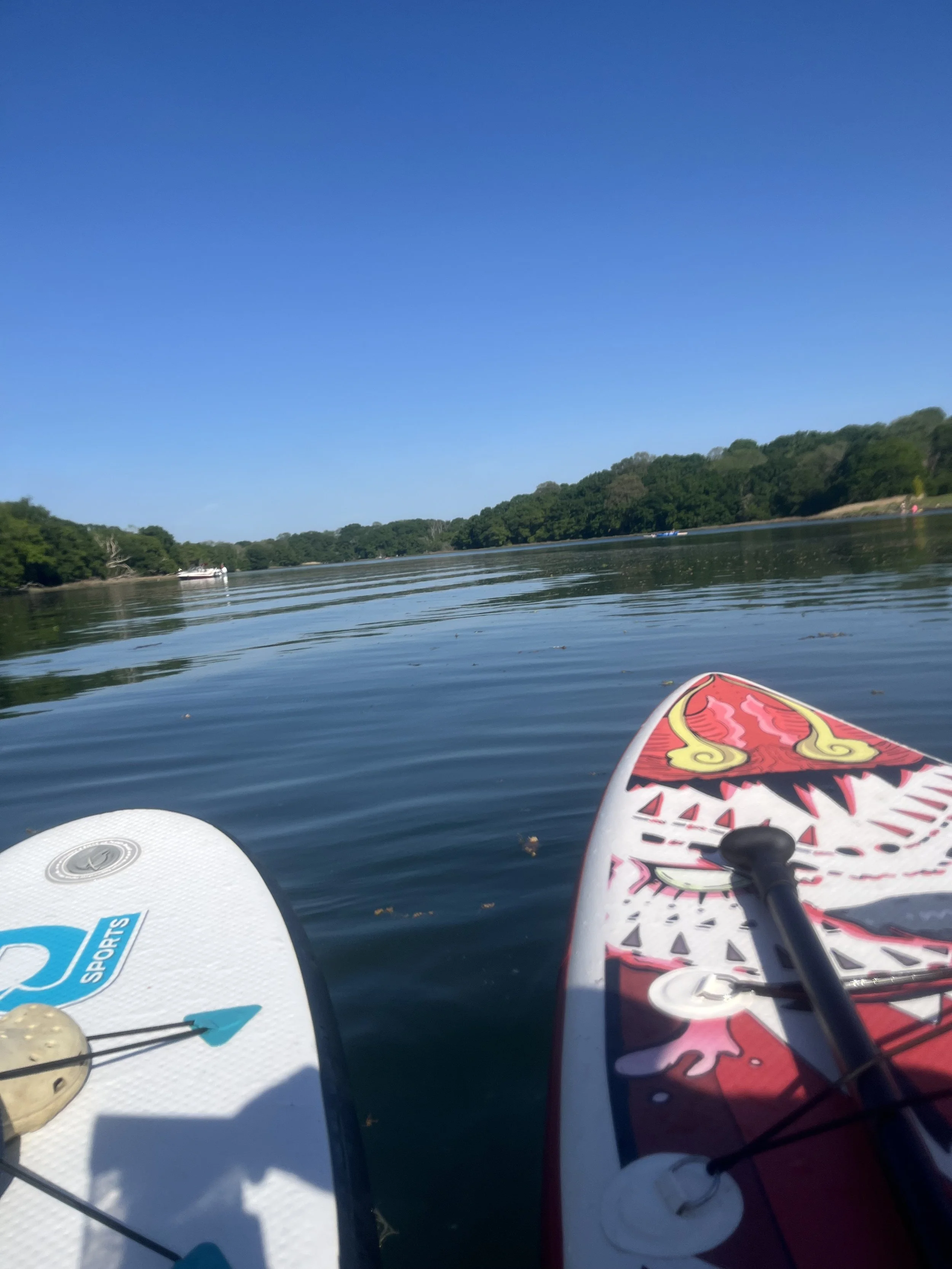
Paddle boarding is a brilliant way to have and adventure. It doesn’t take a huge degree of fitness to start (if you exclude pumping up the board, IYKYK) and with more and more places hiring them out, the cost to start isn’t too high. We’ve seen hire companies costing about £10-15 per hour so very reasonable. A new board can be anything from £150+ depending on how. much you want to pay.
My board for example cost £190 and this year will be its 5th year floating around so I’ve definitely got my money’s worth.
Some hire companies offer an introductory session where they will teach you the basics but more will just hire out the board and a life jacket and send you on your way. If this is the case, read on for some useful tips to get you going.
Here are five tips to keep the vibes high and the wobbles low:
1. Check the Wind (The Invisible Enemy)
Before you even unload the boards, check the wind forecast. Beginners often look for waves, but wind is the real deal-breaker. A light breeze can turn a paddleboard into a sail, making it incredibly hard to get back to where you started.
The Rule of Thumb: If it’s over 10 mph (about 16 km/h) and blowing away from the shore, save the session for another day.
2. Eyes on the Horizon
It’s tempting to stare at your feet to make sure they haven't moved, but looking down is a one-way ticket to a "refreshing" swim.
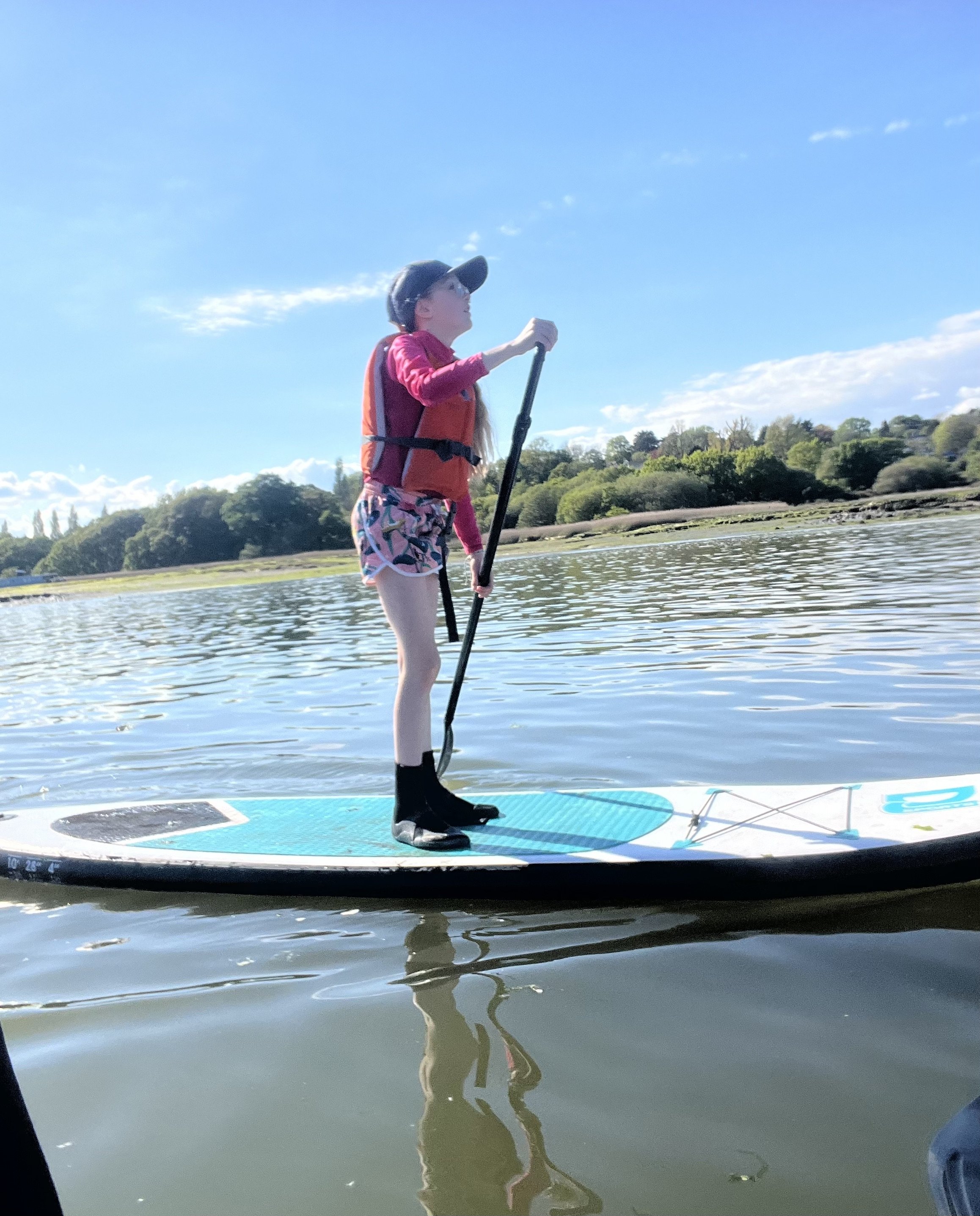
The Fix: Keep your head up and look at the horizon. Your brain uses the stationary horizon to help your inner ear maintain balance. If you look at the moving water at your feet, you're much more likely to tip.
3. Don't Forget the "Leash"
In the SUP community, failing to wear your leash is a major faux pas. If you fall off, your board (which is basically a giant floatation device) can zip away from you surprisingly fast, especially in a current.
Safety First: Always use a leash. It keeps your "lifeboat" attached to you at all times.
4. Paddle with Your Core, Not Your Arms
If your arms are burning after ten minutes, you're doing it wrong. Your arms are just the "hinges" connecting you to the paddle.
The Technique: Reach forward, plant the blade deep in the water, and use your core and back muscles to pull the board past the paddle. Think of it like a "crunch" movement while standing.
5. Choose the Right Launch Spot
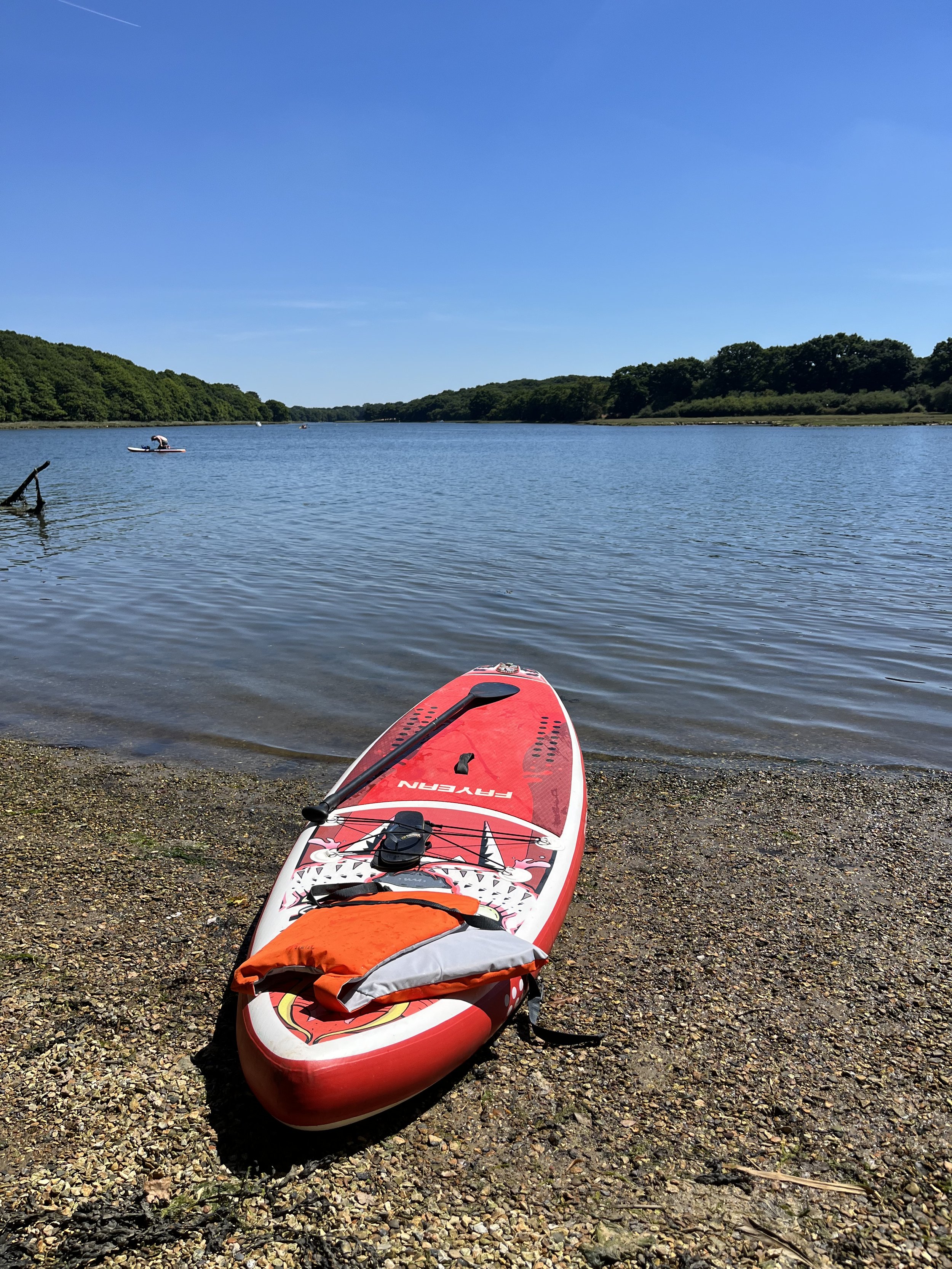
The Ideal Spot: Look for flat, calm water with a "smooth gravel surface" or sandy bottom to protect the boards. Avoiding busy boat channels or choppy areas will make the "Get Started" phase of the adventure much more enjoyable.
If thats got you excited to get out on the water, here are a few suggestions to start.
Basingstoke Canal - Canals are perfect for starting, no tide or waves and usually sheltered from the wide. You do have to pay to launch from the Basingstoke canal centre (£6 per person).
River Hamble - Parking at the River Hamble country park, it’s a short walk to the pontoon where you can launch. This is tidal so check before you go.
Southsea - As mentioned above, take extra care when on the sea, I tend to avoid the sea if there’s an offshore wind. If the conditions are good then this is a great place to paddle as you park meters from the water and plenty of ice cream options for after!
Avon & Kennet Canal - Like with the Basingstoke Canal, its perfect for beginners and no launch fee.
Beaulieu River - one of the most picturesque rivers in the country so even if you fall in, you'll do it in beautiful surroundings.
Finally, if you are new or if you find standing up tricky, there is no shame in kneeling or sitting. When I go out, I will often change between sitting, kneeling and standing, just do what’s best for your ability and most importantly, have fun!